If The Latest Crisis In The Middle East Does Not Convince You Of The Importance Of Scenario Modelling, Nothing Will
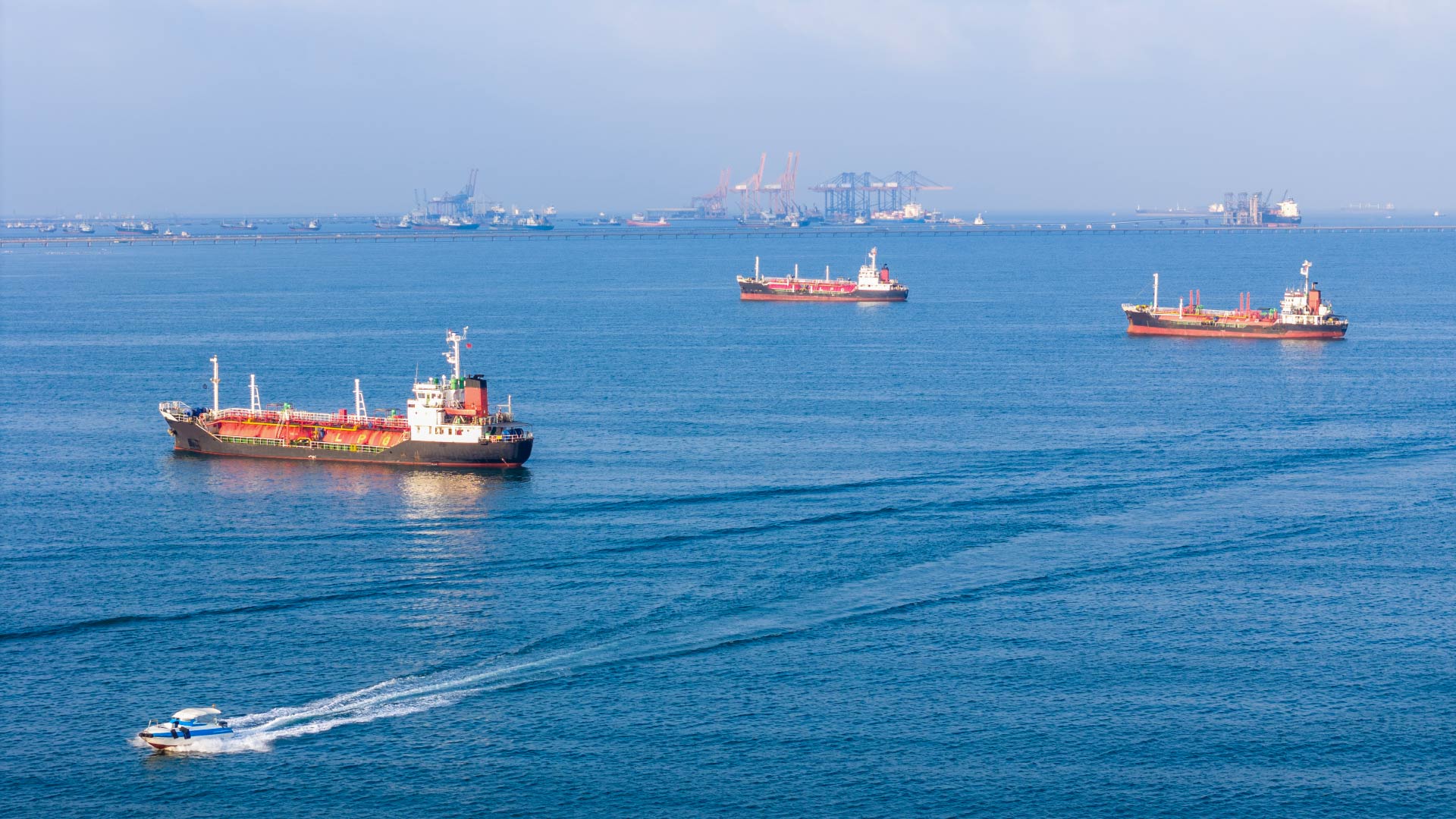
The attacks on Iran at the end of February caught the world by surprise. Since Saturday 28th, US and Israeli missiles have struck more than 2,000 targets across Iran, including compounds linked to key Iranian officials. Iran has retaliated by targeting US bases in neighbouring countries, as well as civilian sites in both those countries and areas of Israel. In addition, the Islamic Revolutionary Guard Corps has issued radio warnings stating that vessels will not be allowed to pass through the Strait of Hormuz, a critical route for 20% of the world’s oil supply. Reports state that oil tankers that ignored the warning have been hit. Global markets have already reacted, with oil prices rising to $73 per barrel, up from a low of $55 per barrel on December 17, 2025.
Corporate risk leaders should re-run their scenario models to understand how a disruption in oil supply might affect their operations and financial positions, and to determine if their contingency plans are still fit for purpose given the current situation.
The latest wave of US and Israeli attacks has raised questions about the human cost of these actions, the long‑term outlook for the region, the likelihood of further escalation and the legality of the operation. Setting those fundamental questions aside, risk leaders should focus on assessing how this new conflict will directly affect financial markets and supply chain operations. This is precisely why firms conduct thorough scenario modelling exercises, where risk teams simulate ‘extreme yet plausible’ conditions to test their organization’s resilience. Crises in the Middle East are not new, and businesses should already have modelled scenarios similar to the current attacks, enabling them to respond quickly and effectively.
However, the situation in Iran introduces additional challenges that organizations must understand and prepare for:
- A power vacuum in Iran, following the death of the Ayatollah Ali Khamenei. When power vacuums have appeared in other countries (such as Iraq, Libya and Syria), new actors have emerged and plunged those countries into further chaos. Firms should use geopolitical risk intelligence to understand the risk and to define the parameters of the scenario modelling.
- A sharp increase in cybersecurity incidents. In the year following the Russian invasion of Ukraine, cybersecurity attacks spiked of 79%, according to the University of Maryland. It is likely that threat actors from Iran will launch a wave of cybersecurity attacks against infrastructure, financial entities, government sites and logistic sectors in the US, Israel and gulf states that have strong links with the US. The use of cybersecurity risk intelligence is fundamental to understand an organization’s vulnerability. Scenario modelling should be used to estimate the value at risk (VaR) of digital assets and infrastructure.
With the situation in the Middle East still ongoing, there is no certainty about how it will impact people, communities and organizations in the region and across the world. One thing decision-makers can be sure about, however, is that ignoring the problem won’t make it go away.
Look out for further risk management news and views on our insights page.
About The Author

Luis Niño
Senior Manager