Firms With A Strong Safety Culture Demonstrate Clear Reductions In SIFs
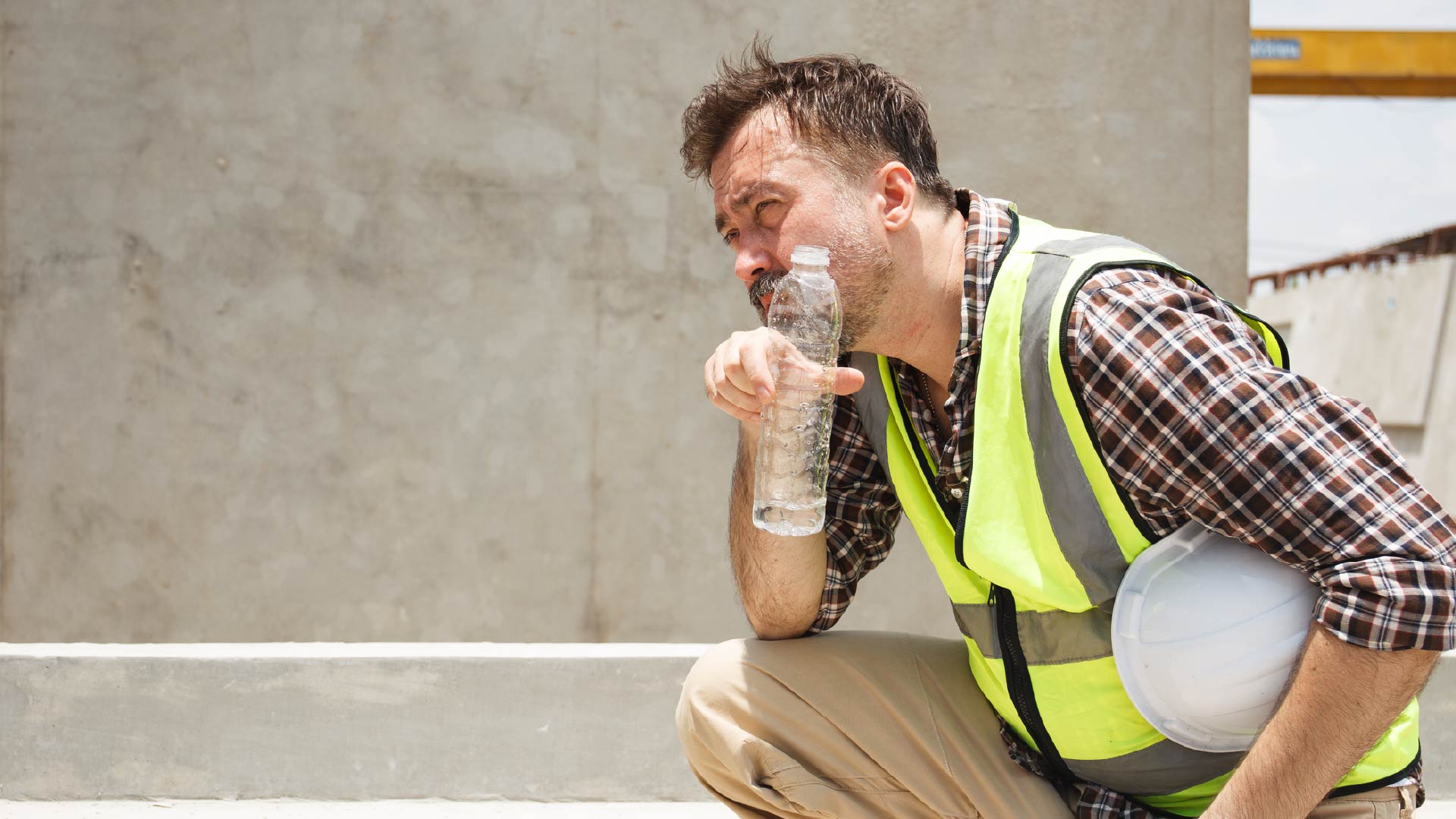
Reducing SIFs has consistently been a key priority for EHS teams, regularly featuring as respondents’ most important goal in the Verdantix global corporate survey. While long-term trends indicate some success with this – showing a decline in fatalities – rates of serious injuries have plateaued. However, one organization that has seen a reduction in both fatalities and injuries, achieving an impeccable safety record, is industrial manufacturer Sentry Equipment (Sentry). The firm has gone 26 years without suffering from a lost time incident. To put this into perspective, Sentry’s Safety Manager Canton Larson was only three years old when the last incident occurred.
According to the UK’s Health and Safety Executive (HSE) there is a strong link between organizational culture and safety outcomes. Weak safety cultures can involve normalizing unsafe practices, discouraging reporting observations, prioritizing production over protection and inconsistent messaging around risk. These conditions enable deviations, which – if left unaddressed – can grow and potentially lead to a serious incident. Without proactive interventions, it is only during investigations that these conditions come to light as reasons behind the incident.
A strong safety culture has been the driving force of Sentry’s success. Key to establishing this is the firm’s leadership team, which has institutionalized safety as a priority, consistently reinforcing expectations in ways that shape frontline employee behaviours and strengthen their adherence to safe working practices. This culture has created an environment in which employees are held accountable to meet clearly defined safety standards.
Although it’s clear that a safety-focused culture provides a plethora of benefits, organizations often prioritize other metrics – predominantly productivity gains – in their decision-making. This is largely because firms perceive safety as a cost centre and often fail to see direct, short-term financial pay-offs from safety initiatives. Budget-holders may instead opt to invest in growth and expansion opportunities to drive revenue and market share. But it isn’t a zero-sum game. While Sentry plans to undergo expansion this year, with two new sites beyond its headquarters, senior leaders have emphasized that safety will remain a core priority, supported by the necessary programmes and policies to address any gaps that emerge. If successful, this is a clear example of how organizations can both achieve growth and maintain a strong safety culture.
Despite Sentry’s track record, human error and unpredictable circumstances mean that it is it is virtually impossible to completely eradicate SIFs. To achieve progress in mitigating the risks as far as possible, both frontline workers and senior leaders must buy into the safety culture, ensuring adherence to best practices. For Sentry, the next challenge will be ensure that both new and existing employees continue to abide by the firm’s positive culture as it continues to grow and new workers arrive.
For more on safety culture, check out our reports on building safety engagement through technology and new approaches to SIF prevention.
About The Author

Zain Idris
Industry Analyst

.jpg?Status=Master&sfvrsn=43f8a4f6_1)