Future Of Office Space (North America)
Access this research
Access all Real Estate Leaders content with a strategic subscription or buy this single report
Need help or have a question about this report? Contact us for assistance
Executive Summary
Economic uncertainty, new ways of working, low occupancy rates and tenant expectations have dramatically changed the North American market for office space. The office market is being shaped by corporate demand for high-quality spaces, efforts to improve portfolio resiliency, a focus on sustainability and an emphasis on enhancing the workplace experience. Offices must now incentivize workers to come in, promote sustainability, enhance productivity in hybrid environments and support various types of working. Real estate stakeholders must prioritize the digital and physical transformation of offices to meet employee expectations, financial goals and net zero targets. This report analyses the market, customer and technological trends impacting the four categories of offices in 2024, and proposes what the future of offices in North America will look like across these four categories. Office software and service providers should leverage this report to understand the changing priorities of real estate stakeholders and the technological developments impacting the office market to better prepare for the future.Offices 101: Introduction to the asset class and the trends impacting it up to 2024
The four core categories of office space and the varying dynamics within each segment
Offices have gradually evolved in response to new priorities and ways of working
Drivers of change shaping the future of office space
Four megatrends in 2024 shaping the offices of the future
Real estate stakeholders seek to address office space surpluses, fragmented office technology stacks and talent shortages
Workplaces are undergoing massive changes driven by employee expectations and experiences
Innovative technologies on the horizon for offices
Economic contractions and existing building stock constrain the future of offices
The offices of the future across the office space segments
Firms will continue to leverage headquarters to attract best-in-class talent
Flagship headquarters will continue to be smart buildings that adapt based on occupant needs and surrounding environments
Future Class A offices are set to redefine tenant-landlord dynamics with innovative leases and enhanced amenities
Co-working spaces and Class B-C offices face the most uncertainty
Figure 2. The evolution of how and where people work
Figure 3. Megatrends driving the future of offices
Figure 4. Implementation of energy and decarbonization projects in North America
Figure 5. List of technology solutions and systems found in buildings
Figure 6. Expected use of service providers over the next three years
Figure 7. Future of offices hypotheses
About the Authors

Joy Trinquet
Principal Analyst
Joy is a Principal Analyst at Verdantix, specializing in real estate, facilities and workplace technology, with a particular focus on integrated workplace management systems/c...
View Profile
Claire Stephens
Research Director
Claire Stephens is a Research Director at Verdantix, leading research into technologies and services shaping the real estate and the built environment, encompassing ...
View ProfileOther related content

Agentic AI has become the label of choice for real estate software vendors, but Verdantix finds that genuine agentic capability delivers value in a far narrower band than roadmaps ...

Upcoming / 15 October, 2026
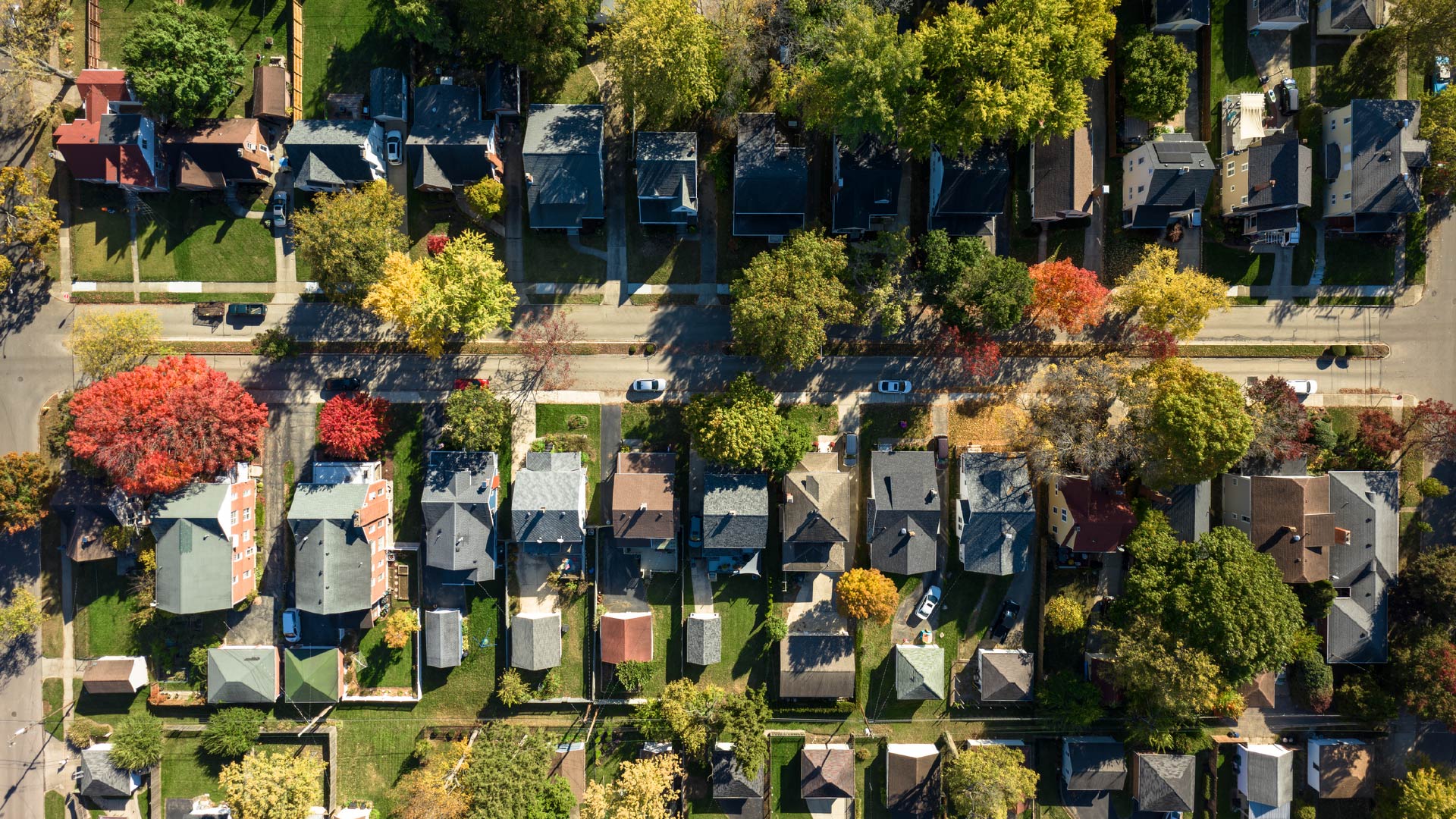
For CRE investors, the plan was to wait for cheaper money. That plan just expired. In our previous blog regarding the US commercial real estate market’s maturity wall in June 202...
06 October, 2026
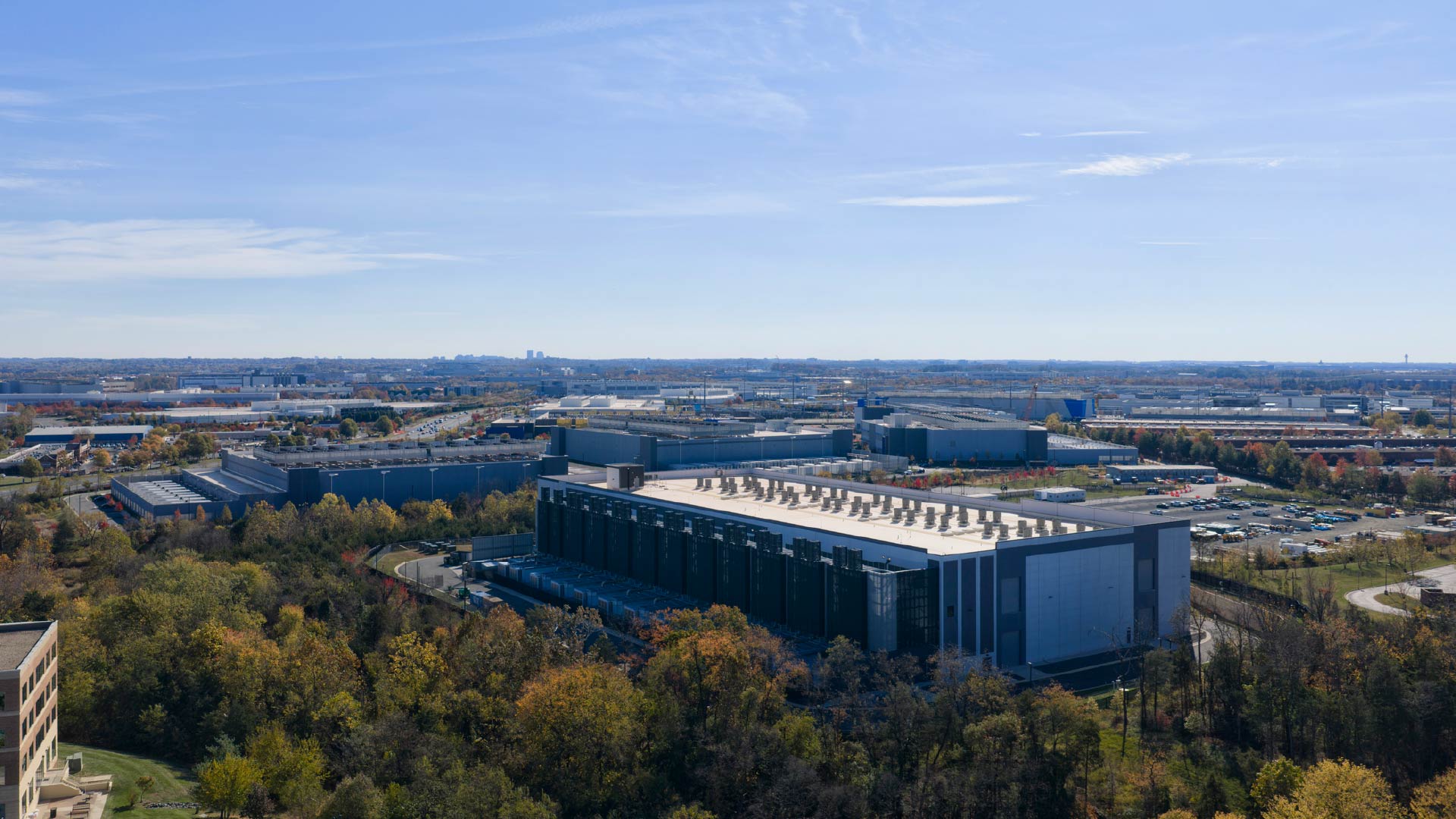
For REIT investors, it depends. And what it depends on is changing fast. Data centres have become one of commercial real estate's biggest growth stories in the US. But as they beco...
05 October, 2026

Join Verdantix and Nakisa for a practical discussion on how IWMS is evolving in the era of AI. We’ll explore how organizations are re-evaluating legacy platforms, where near-term ...
Upcoming / 13 October, 2026

AI workloads are increasing infrastructure demands at the same time as energy costs, capacity constraints and sustainability requirements continue to rise. As a result, many data c...

26 August, 2026

Energy costs are volatile, trade route supply is uncertain, grids are unstable, and boards are demanding proof before capital moves. This webinar explores how leading real estate a...

04 August, 2026