Global Corporate Survey: Real Estate Technology Budgets, Priorities And Preferences For 2026
Access this research
Access all Real Estate Leaders content with a strategic subscription or buy this single report
Need help or have a question about this report? Contact us for assistance
Executive Summary
Real estate strategies heading into 2026 are being shaped by a convergence of energy pressure, digital complexity and rising expectations around control and accountability. Verdantix surveyed 300 senior leaders responsible for large, often global, real estate portfolios to examine how priorities, technology investments and operating models are evolving. The results point to a clear recalibration: energy management has become the primary lever for operational performance, while system integration and data governance are now treated as foundational requirements rather than optional enhancements. Organizations are also adjusting how they execute digital estates, investing heavily in workforce upskilling while increasingly relying on specialist partners to deliver and govern complex platforms. This report allows real estate and facilities leaders to benchmark their direction against their peers and provides technology and service providers with a clear view of where demand, capability gaps and investment momentum are converging.About the Authors

Henry Yared
Analyst
Henry is an Analyst at Verdantix, specializing in digital platforms for energy management and building performance optimization. His research focuses on improving operational ...
View Profile
Claire Stephens
Research Director
Claire Stephens is a Research Director at Verdantix, leading research into technologies and services shaping the real estate and the built environment, encompassing ...
View ProfileOther related content
Building and facilities maintenance teams are under pressure to improve operational efficiency, control costs and keep buildings running smoothly. Yet fragmented systems, disconnec...

Upcoming / 02 December, 2026

Agentic AI has become the label of choice for real estate software vendors, but Verdantix finds that genuine agentic capability delivers value in a far narrower band than roadmaps ...
Upcoming / 15 October, 2026

For CRE investors, the plan was to wait for cheaper money. That plan just expired. In our previous blog regarding the US commercial real estate market’s maturity wall in June 202...
06 October, 2026
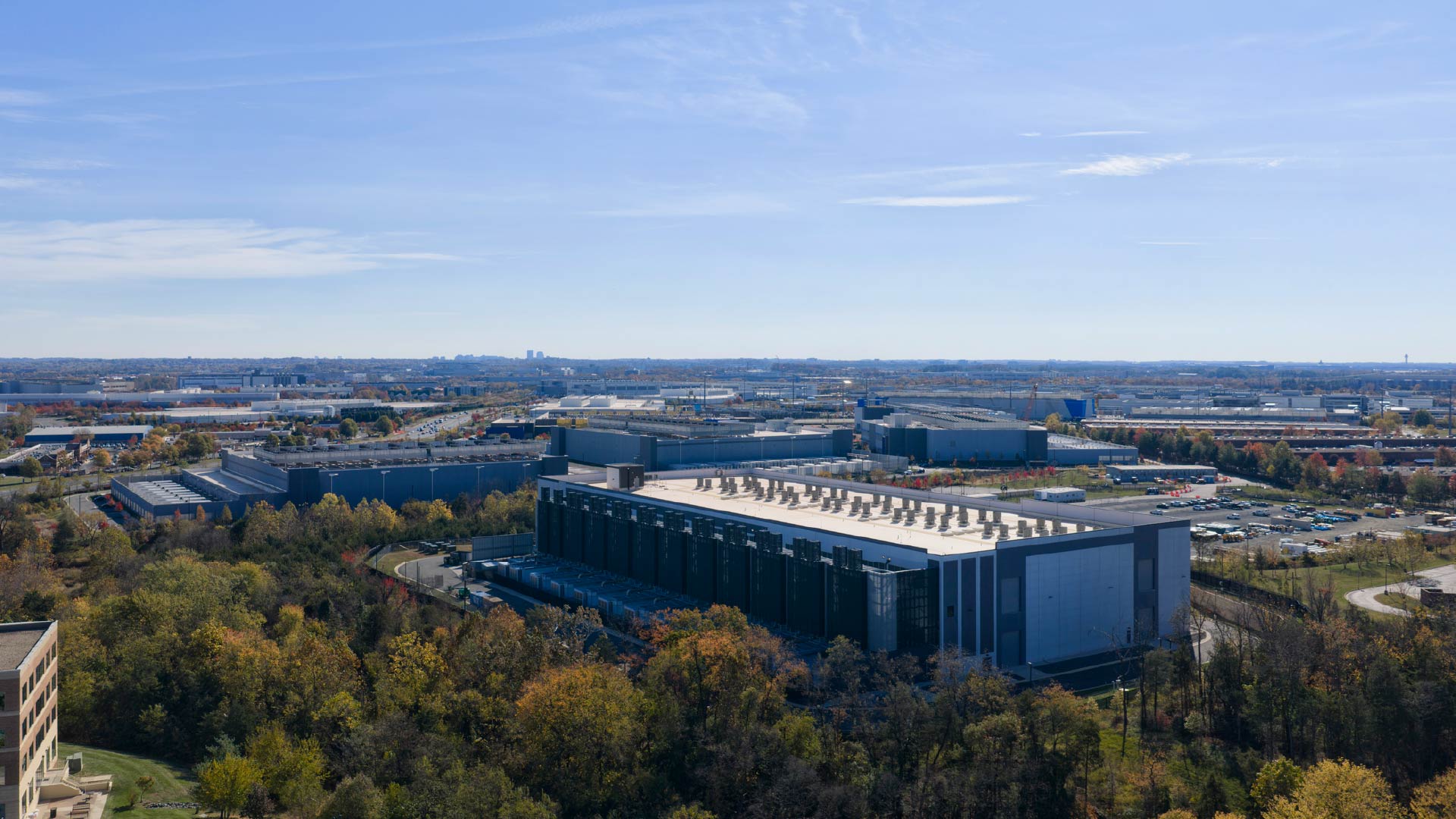
For REIT investors, it depends. And what it depends on is changing fast. Data centres have become one of commercial real estate's biggest growth stories in the US. But as they beco...
05 October, 2026

Join Verdantix and Nakisa for a practical discussion on how IWMS is evolving in the era of AI. We’ll explore how organizations are re-evaluating legacy platforms, where near-term ...
13 October, 2026

AI workloads are increasing infrastructure demands at the same time as energy costs, capacity constraints and sustainability requirements continue to rise. As a result, many data c...

26 August, 2026