Unified Building Technology Will Define Real Estate And Built Environment In 2026

Sophia Shakur
What if your buildings stopped operating as disconnected systems and started behaving like a single intelligent organism? In 2026, that vision is rapidly becoming reality. The 10 Predictions report from Verdantix details how the real estate and built environment sector is entering an era defined by unification: building systems, workplace platforms and data centre technologies are converging into integrated digital ecosystems, with AI embedded across every layer.
This is not just a technology shift. It is a fundamental change in how buildings are owned, operated and governed, as:
1. AI becomes the connective tissue of FM services.
Can facilities management still function without AI? Fortune 500 firms increasingly say no. FM bids that fail to demonstrate AI enabled operational optimization are already being rejected.
2. FM workforces evolve as platforms converge.
Continuous commissioning and analytics-driven operations are forcing FM providers to unify on shared platforms that blend IoT, AI and service delivery. This shift is creating demand for data-literate engineers who can work across systems rather than isolated assets.
3. Construction automation plugs into digital ecosystems.
Are robots just tools, or future platform participants? As international contractors trial humanoid robotics, these machines will increasingly feed data into digital twins and construction management platforms.
4. Energy platforms lead autonomous operations.
Why does energy move first? Because it unifies systems quickly. Energy management platforms are already operating as digital control layers, and will become the gateway to autonomous buildings because they prove the value of unified control.
5. Integration beats replacement.
Is replacing every system realistic? Mature buyers think differently. Rather than rip and replace, enterprises are building horizontal integrations that connect asset, space, energy and occupancy platforms through a common data fabric.
6. Edge and cloud find their roles.
Real-time decisions are increasingly moving to the edge for flagship offices, hospitals and data centres, while the cloud focuses on portfolio analytics and AI training. This split architecture reflects a more mature, unified approach to computing across buildings.
7. Data governance becomes unavoidable.
More than 50% of procurement and risk teams will force real estate leaders to standardize and clean building data as decarbonization and resilience converge. Unified platforms only deliver value when data is consistent, auditable and trusted.
8. Digital twins become platform-native.
Portfolio owners will demand digital twins embedded directly into construction and facilities platforms, not bolted on as project tools. This will force clarity on data ownership, standards and long-term governance.
9. Data centres show the future first.
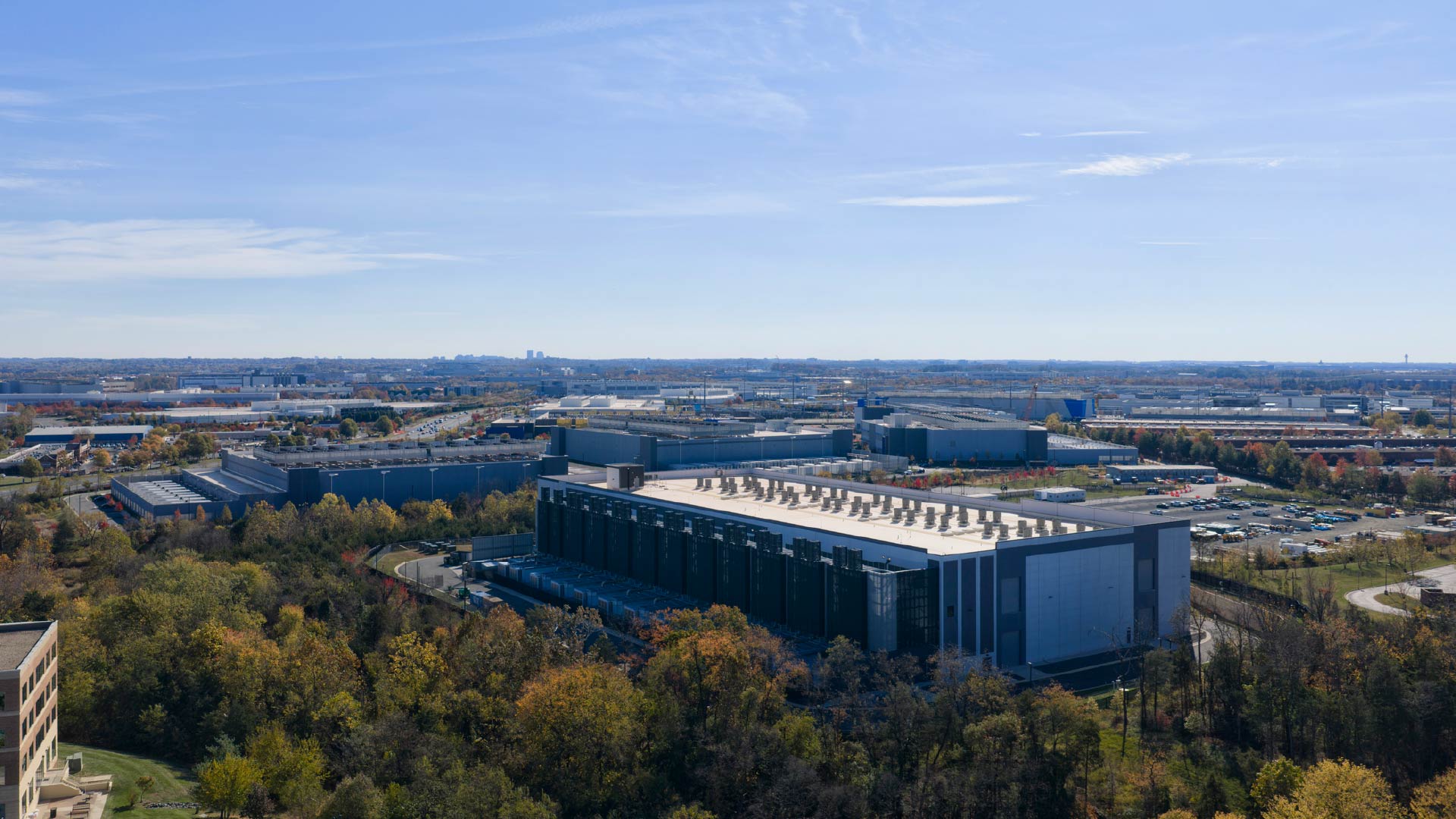
Unified data centre management platforms already integrate power, cooling and IT in real time. With regulatory pressure and AI-driven load growth pushing efficiency and compliance to the top of the corporate agenda, these platforms point to where offices and campuses will follow.
10. The CTO becomes the unifier.
Who owns the system of systems? As buildings become software-defined, CTOs step into real estate strategy, aligning AI, cyber security and data architecture across portfolios.
The message for 2026 is unmistakable. The future of real estate belongs to organizations that unify their building technologies into intelligent, AI-driven ecosystems rather than fragmented stacks.
To explore these predictions in more depth and understand how unification will reshape your portfolio, watch our predictions webinar, in which our experts unpack the key trends defining real estate and the built environment in 2026 and beyond.
About The Author
Sophia Shakur
Industry Analyst