Tulip Brings Instant Replay To The Factory Floor
NVIDIA’s annual GTC event always brings a wide range of announcements, and 2026 was no different. Leading players such as Dassault Systèmes, Siemens and Synopsys have all announced new AI agent tools aimed at managing and supporting design and production processes. However, AI agents are increasingly becoming the expected headline, and still require significant investment in AI governance, data and system architecture. Bucking the trend, Tulip has instead used the event to introduce a more targeted offering in Factory Playback, moving beyond a purely agentic AI narrative.
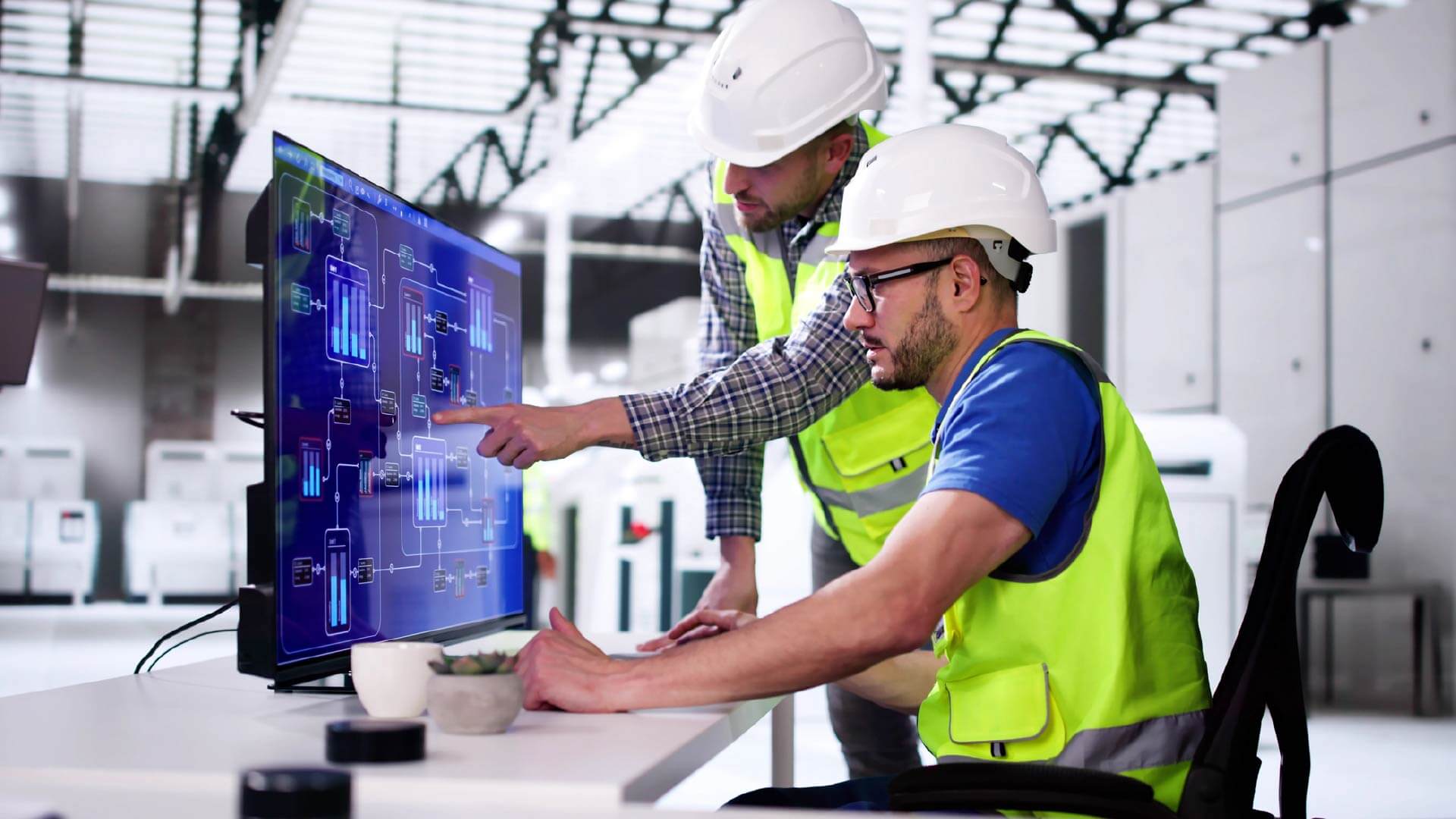
The new tool brings a grounded view of production activities by bringing together data that have traditionally been siloed across systems, particularly video-based data. This enables manufacturers to gain a clear picture of how operations unfold on the factory floor to enhance decision-making. By aligning visual context with operational data streams, the tool helps bridge the longstanding gap between what systems record and what actually happens in practice. The solution is built using NVIDIA’s Metropolis blueprint and Cosmos-Reason VLM.
Factory Playback aims to move manufacturers beyond static, dashboard-based decision-making, especially for use cases such as product quality and downtime. By leveraging synchronized video data enriched with AI-generated narrative, teams can trace issues back to specific events and interactions, significantly streamlining root cause analysis. This shift from abstracted metrics to real-world operational context represents a meaningful step forwards in how production data are interpreted.
The structured data layer created through Factory Playback can also serve as a foundation for digital twin and further AI initiatives. Rather than relying on simulated data or assumptions, manufacturers can train models and run scenarios using data captured ‘as it happened’ improving accuracy and confidence in outcomes. This has the potential to accelerate model training cycles and improve trust in AI-driven recommendations by grounding outputs in real operational context rather than inferred behaviour.
A key differentiator is the human context embedded within the solution. By capturing operator actions alongside machine and process data, Factory Playback enables AI and decision-support tools to better understand why actions were taken and how outcomes occur. While highly automated environments already generate rich machine data, human-driven processes remain far more difficult to contextualize. The variability and nuance of human activity on the shop floor create a significant challenge for AI models attempting to link actions to outcomes. Factory Playback directly addresses this gap, offering a more accessible way to map and interpret shopfloor activity, particularly when combined with the flexibility of the Tulip Frontline Operations Platform.
As always, early demonstrations are compelling. The real test will be whether Tulip can translate this into repeatable, scalable deployments across its customer base, proving value in the complexity of real-world manufacturing environments. For now, amid the green NVIDIA glow, Factory Playback looks highly promising. For more technology updates, check out our Insights page and look out for the upcoming Market Trends: Evolution And Outlook For Manufacturing Operations Management (MOM) Software report.
About The Author

James Prestwood
Senior Analyst