The Grid Can't Escape Extreme Weather – But It Can See It Coming
Schneider Electric has announced an agreement to acquire AiDASH, a satellite data and AI-powered risk intelligence provider, at a value of $350 million – marking a notable bet on external hazard monitoring as a core grid technology category. AiDASH's vegetation, asset, climate and weather risk intelligence tools will be folded into Schneider Electric's One Digital Grid platform, positioned as delivering an end-to-end offering for critical infrastructure operators.
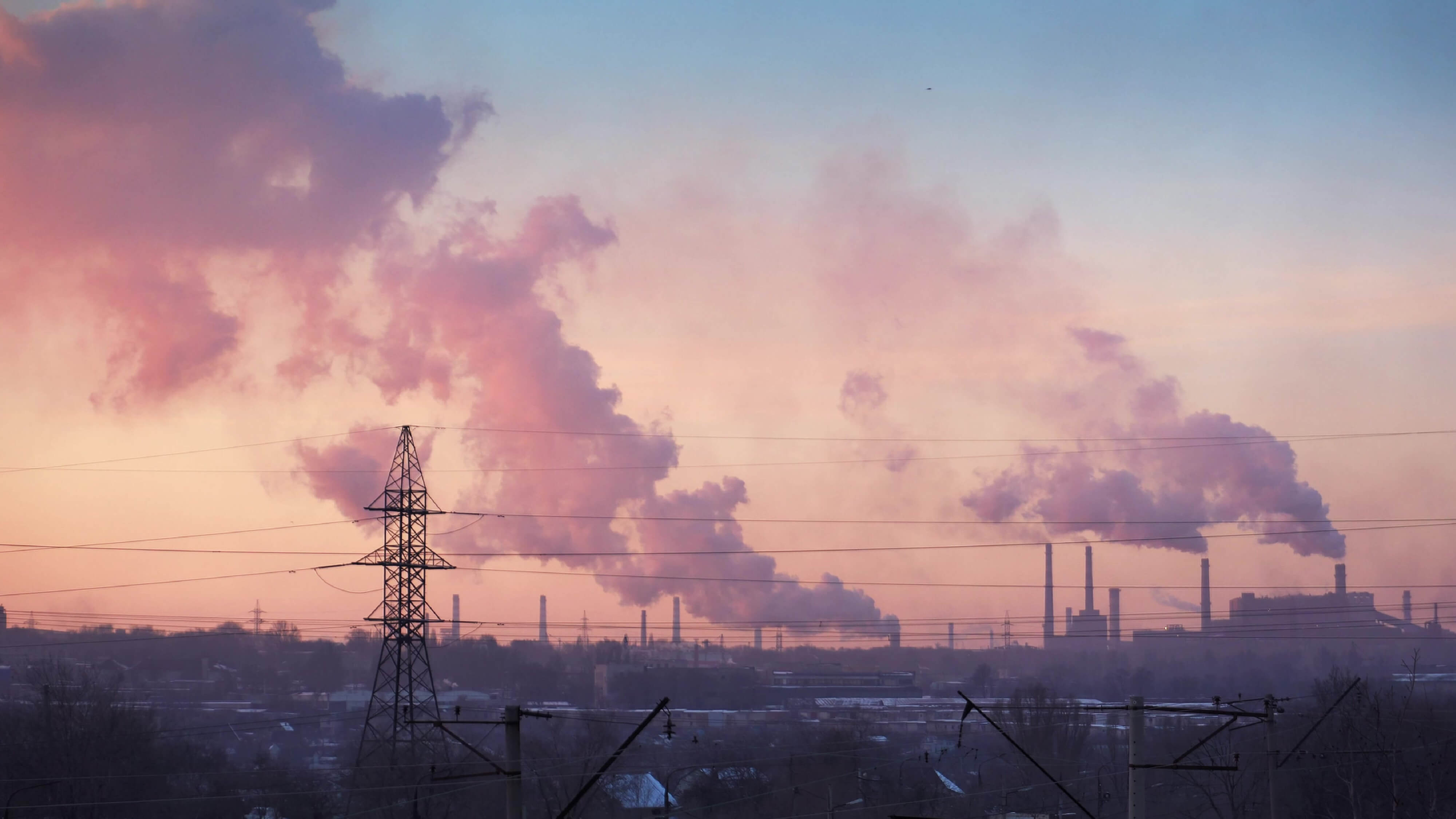
The timing of this news is hard to ignore. Mere days earlier, French grid operator Enedis cut power to over 1,300 households across Gironde and Landes to let firefighters operate safely, while blazes in Castellon, Madrid and Avila continued to threaten infrastructure. And wildfire is just one entry in 2026’s growing catalogue of hazard-driven grid disruption: Storm Goretti cut power to roughly 380,000 homes in France and tens of thousands more across southwest England in January; extreme heat in Iraq forced the shutdown of two transmission lines in August, triggering a sudden loss of over 6,000MW that cascaded into a nationwide grid collapse; Hurricane Melissa left more than 530,000 Jamaican households without electricity, with restoration delayed for weeks by damaged infrastructure. Different hazards, different regions, same underlying exposure: physical grid assets sitting directly in the path of worsening weather.
As wildfire seasons lengthen, heatwaves intensify, and storm and hurricane activity grows more volatile, utilities face a widening gap between reactive outage management and the proactive, hazard-aware planning that grid resilience now demands. Vegetation encroachment and fire- and flood-prone corridors are impacting broader network reliability, with operators needing far better visibility into both current risk and risk trajectories months ahead.
In this context, Schneider Electric's AiDASH acquisition is a signal worth reading closely. Remote sensing, satellite-based monitoring and AI-driven risk scoring are moving from standalone point solutions towards integration within broader grid management and DERMS-adjacent platforms. Digital grid vendors without a credible external hazard monitoring capability may find themselves competing on an incomplete value proposition as utilities consolidate climate resilience and reliable asset management into single procurement decisions.
For utilities, climate-driven physical risk to grid infrastructure is now an essential planning input that should be built into capital allocation and long-term network resilience strategy. Investment in predictive, satellite-first monitoring is shifting from good practice to bare necessity, as climate-related disruptions across the world make clear.
To read more about the challenges of the modern grid, check out our Market Trends: Enabling Technologies For The Digital Grid report, and for more detailed insights into the innovations shaping grid monitoring and analytics, look out for our upcoming Smart Innovators on the topic.
About The Author
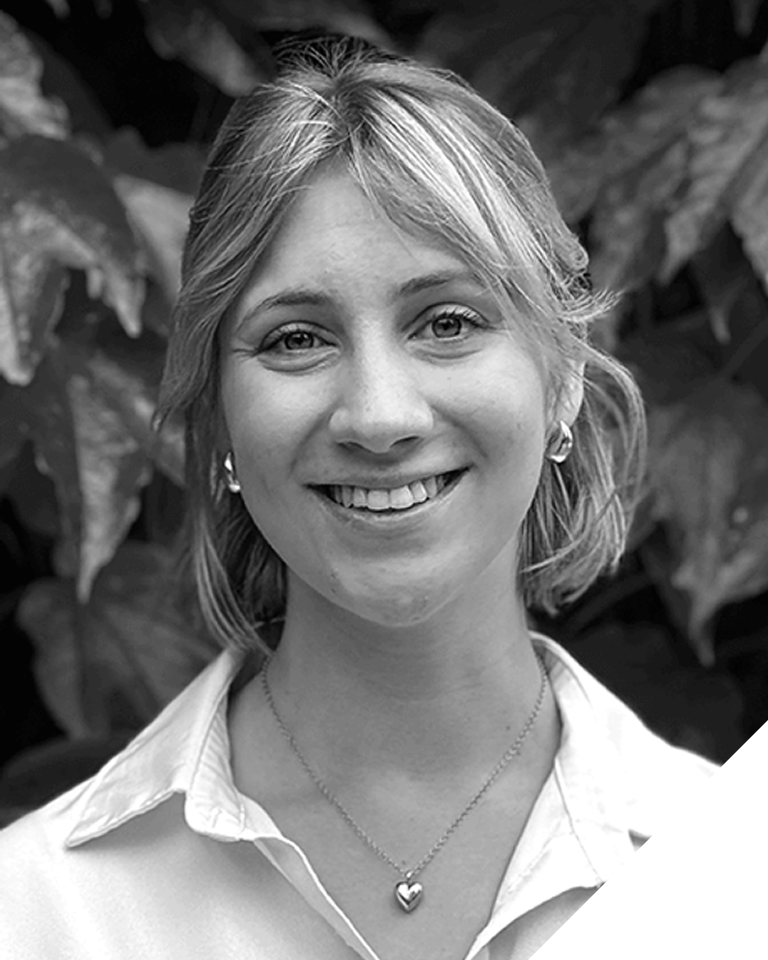
Isobel McPartlin
Analyst