Physical Climate Risk Is Becoming A Credit Risk Challenge
Climate risks are visible, but credit decisions remain unchanged
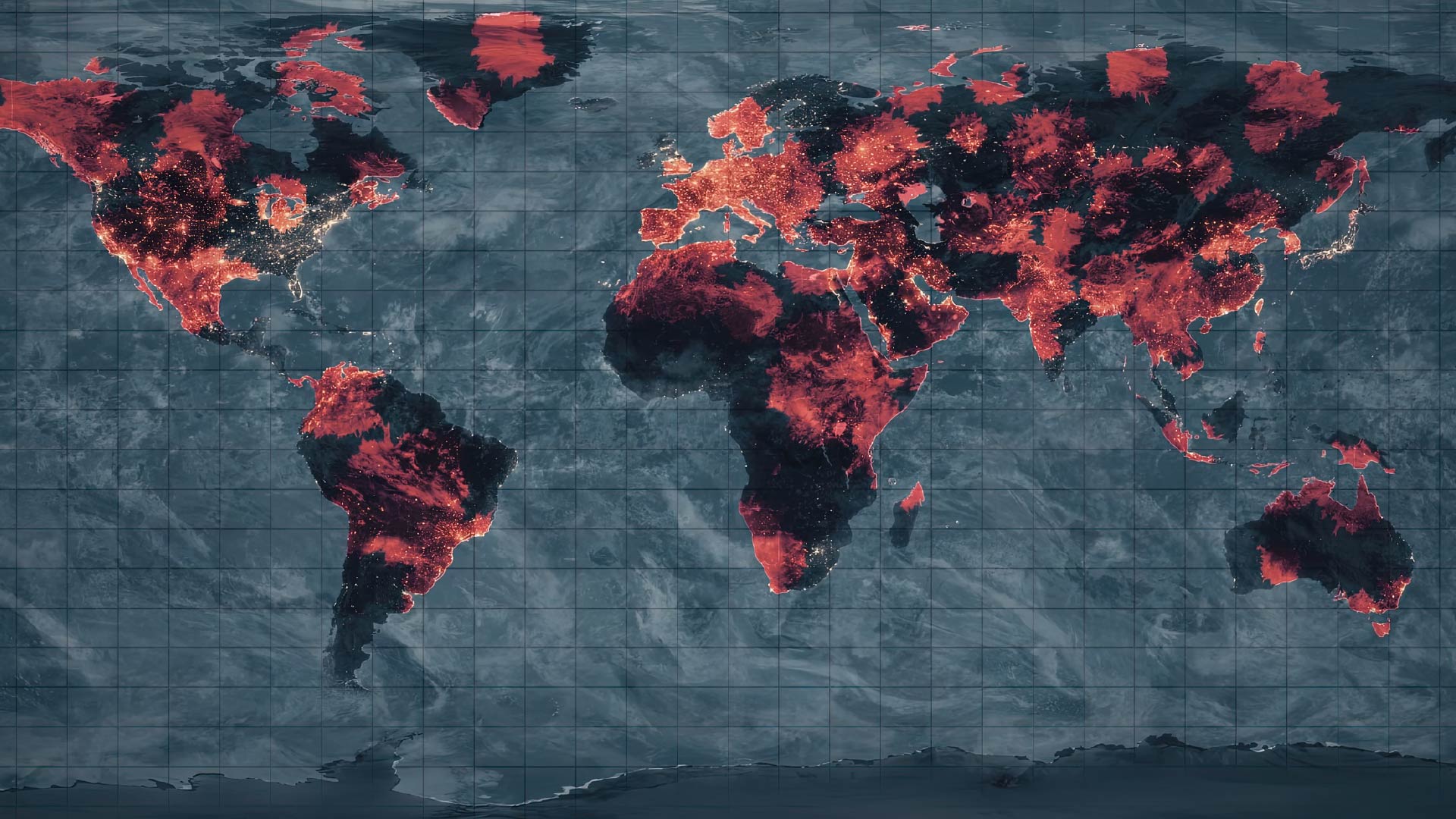
Banks, investors and regulators have more visibility into physical climate risks than ever before. Detailed data on flood, wildfire, drought and heat exposure are increasingly available, as climate-related disruptions are becoming more frequent and costly. However, growing awareness of these risks rarely leads to meaningful changes in lending, underwriting or credit assessments.
Although financial decision-makers are now well-equipped to identify physical hazards, they are not yet consistently incorporating these factors into credit decisions. The challenge is translating climate risk into measures of borrower risk and financial performance.
The missing link is climate-to-credit translation
Physical climate risk analytics have improved significantly in recent years. Banks increasingly have access to hazard data that can identify which assets, facilities and borrowers are exposed to flooding, wildfires, drought, extreme heat and other climate-related threats. However, understanding that a borrower faces physical climate risks does not automatically explain how those risks should affect probability of default, creditworthiness or loan pricing.
Moody's highlighted this challenge in its report Understanding physical risk: A framework for financial and institutional decision-making, which advocates for a shorter-term approach to physical risk assessment. Institutions acknowledge that physical climate risks could have material financial impacts, but climate change is still frequently viewed as a long-term issue rather than an immediate credit concern. As a result, physical risk information often remains separate from core lending and underwriting processes.
This disconnect is also visible in capital markets. Many firms affected by floods, droughts, wildfires or extreme weather events experience operational disruptions, yet these events do not always result in meaningful changes to borrowing costs or perceptions of credit quality. Investors often assume that large organizations possess sufficient geographic diversification, financial flexibility or operational resilience to absorb localized impacts. Whether justified or not, the outcome is the same: physical climate risk is not yet being consistently reflected in credit decisions.
Credit frameworks do not reward resilience
Part of the challenge is that traditional credit assessment frameworks focus primarily on financial metrics and historical performance. They are often less effective at distinguishing between organizations that face similar hazards but have very different levels of preparedness.
Two firms may have comparable exposure to flooding, for example, but one may have invested heavily in flood defences, back-up infrastructure, water management systems or business continuity planning. Those investments can materially reduce future losses and improve operational resilience. However, these investments typically increase costs without directly generating revenue, and thus can sometimes appear as a short-term drag on financial performance.
As a result, organizations that proactively adapt to climate risks are not always rewarded through improved access to capital or lower financing costs.
Moving beyond exposure-based assessment
To address this gap, researchers and financial institutions are exploring new approaches that incorporate resilience into credit risk analysis. One example is the Resilience-Adjusted Credit Risk (RACR) framework proposed by the Cambridge Institute for Sustainability Leadership (CISL).
The framework seeks to move beyond measuring exposure alone by incorporating factors such as adaptation investments, insurance coverage and operational resilience into credit assessments. The objective is to better reflect how preparedness and risk mitigation measures can reduce future losses and strengthen borrower performance during climate-related disruptions.
This shift represents an important evolution in climate risk assessment. Rather than asking only where climate hazards exist, lenders must also evaluate how effectively borrowers can prepare for, respond to and recover from those hazards.
From climate risk visibility to credit action
As regulators place greater emphasis on resilience and financial stability, pressure will continue to grow on financial institutions to demonstrate how physical climate risks are reflected in decision-making processes. Demand is therefore likely to shift towards frameworks and tools that connect climate hazards to borrower performance, credit quality and financial outcomes.
The institutions that succeed will be those that move beyond measuring exposure and begin quantifying resilience. Physical climate risk is increasingly visible, but visibility alone does not change outcomes. The next stage of climate risk management will be translating climate insights into credit decisions.
To find out more about the impact of climate risk on financial institutions, check out our Climate Financial Data & Analytics research module.
About The Author

Felicity Laird
Principal Analyst