Market Snapshot On Behaviour-Based Safety

Moses Makin
What is behaviour-based safety?
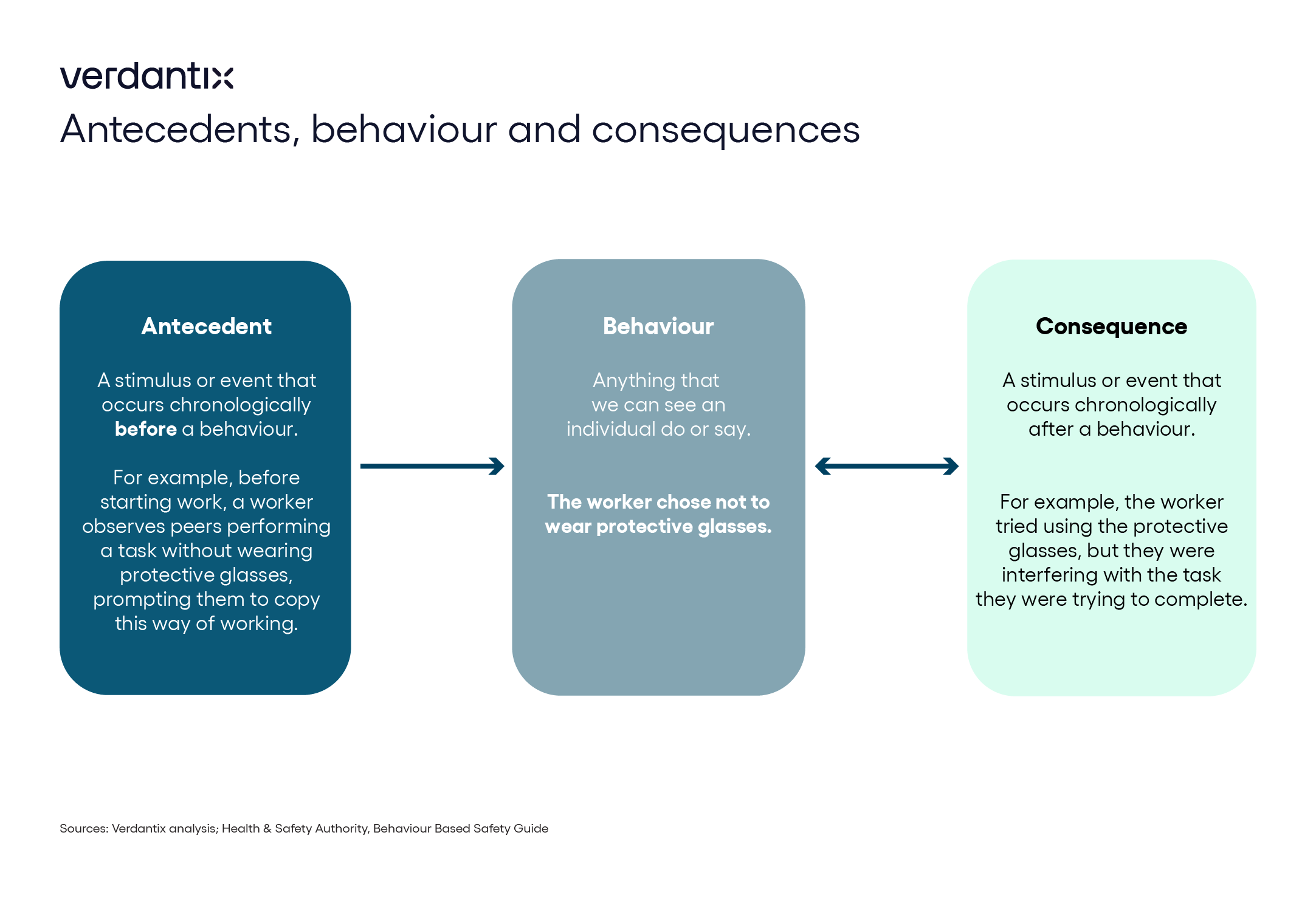
Behaviour-based safety (BBS) is a process for ensuring employees proactively maintain a safe workplace, going beyond traditionally reactive approaches to health and safety. There are three stages to BBS: observation, analysis and intervention. Observations involve people paying close attention to their own and others’ behaviours. Once observation data are collected, they are analysed to identify patterns, helping reveal what triggers certain behaviours and the consequences that follow. With this information in hand, appropriate interventions are introduced, such as training, new controls or corrective actions.
How can technology support a behaviour-based safety programme?
One of the key metrics of success of a BBS programme is the extent that workers – including contractors – participate in the programme. While this can be difficult to achieve when employees are dispersed, there are tech solutions available that provide streamlined access to log observations and receive information on interventions, improving the likelihood of widespread uptake. Some EHS software vendors offer dedicated BBS capabilities or position their audits, inspection and incident management modules to assist with BBS use cases. For instance, Fennex’s BBS solution increased Noble Corporation’s participation rate in its BBS programme by 30%. Meanwhile, TruGreen captured 500,000+ BBS observations over five years using Ideagen’s solution. It’s notable that in both of these cases the vendors offered a high level of accessibility by providing their modules in a mobile format and in multiple languages.
What does the future look like for technologies supporting behaviour-based safety?
The growth of video analytics in EHS software creates an opportunity to automate BBS processes. This technology is still at an early stage of development; available systems will need to become considerably more context-aware if they are to generate meaningful insights. For example, a basic video analytics system may identify a worker who is not wearing the required protective gloves and classify this as unsafe behaviour. A more sophisticated system could analyse the wider visual context and recognize that the issue is a result of antecedents and/or consequences, as in the Irish Health & Safety Authority’s BBS model.
For more information on video analytics for EHS risk, read Verdantix Smart Innovators: Video Analytics For Safety. To find out more about the health and safety consulting providers that can assist with managing a behaviour-based safety programme, check out Verdantix Smart Innovators: Health And Safety Consulting Providers. To understand what other technologies could improve behaviour-based safety programmes, set up an analyst inquiry call with one of our subject-matter experts.
About The Author
Moses Makin
Industry Analyst